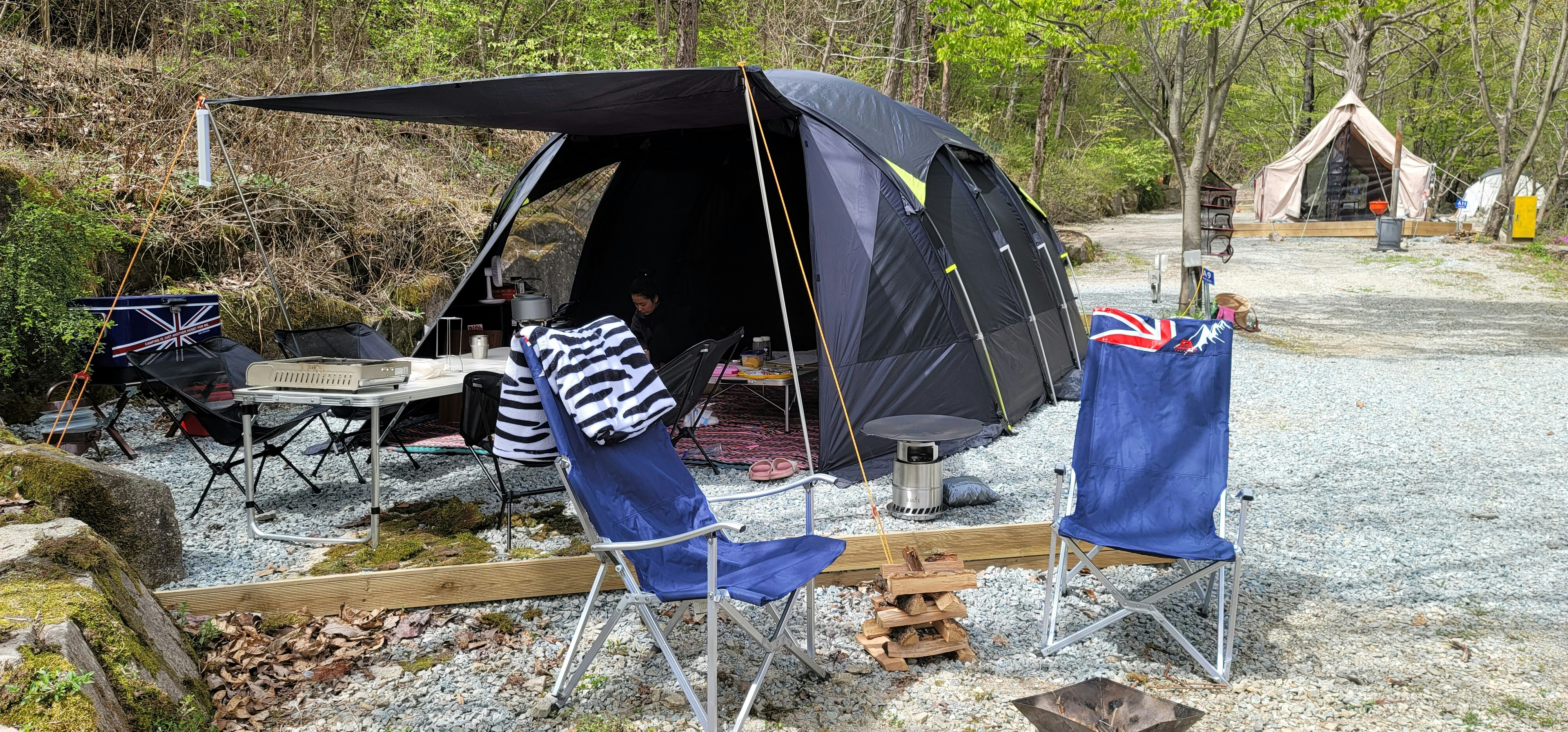
Introduction to Camping
Camping is a treasured outdoor activity that draws countless individuals and families into nature each year. Defined broadly, it involves staying overnight in a temporary shelter, such as a tent, camper, or under the open sky, while experiencing the natural environment. The practice of camping has gained immense popularity due to various factors, including a growing desire for disconnecting from technological distractions and embracing the great outdoors. It serves as an excellent opportunity for adventure enthusiasts, nature lovers, and families alike to bond and create lasting memories.
One of the primary benefits of camping is its ability to promote mental well-being and physical health. The immersion in nature fosters relaxation and mindful living, allowing campers to experience stress relief amidst a serene backdrop. Physical activities, such as hiking, fishing, or setting up camp, contribute to improved cardiovascular fitness and overall wellness. Additionally, camping encourages individuals of all experience levels to develop valuable skills, such as navigation, cooking, and outdoor safety.
The appeal of camping is multi-faceted; its accessibility, varied landscapes, and diverse activities attract both seasoned campers and newcomers. Whether one is embarking on a solo expedition, a family camping trip, or participating in a group outing, the thrill of outdoor exploration appeals to all. However, successful camping experiences necessitate careful planning and preparation. Understanding essential camping techniques, gear selection, and safety protocols can elevate one’s outdoor adventures while minimizing risks. In this guide, we will outline essential camping tips that cater to various skill levels, ensuring that every camper can fully appreciate the joy and fulfillment that camping brings.
Choosing the Right Campsite
Selecting the ideal campsite is crucial for a successful camping experience. The choice largely depends on the camper’s preferences, skill level, and desired activities. First and foremost, assess the location of the campsite, which can significantly impact your enjoyment. Campgrounds near water bodies, such as lakes, rivers, or the ocean, provide opportunities for recreational activities like fishing, swimming, or kayaking. Additionally, sites with scenic views enrich the overall experience, allowing campers to immerse themselves in nature’s beauty.
Accessibility is another pivotal factor. For novice campers or families with children, choosing a campsite that is easily reachable by car can minimize stress. Alternatively, seasoned campers may prefer more remote locations accessible only by hiking, offering solitude and a deeper connection to nature. When evaluating campsites, it is also critical to consider available amenities. Some campers may seek well-equipped campgrounds with restrooms, fire pits, and picnic tables, while others may prefer a more rustic setup.
Weather conditions and climate should not be overlooked when selecting a campsite. Campers must research the typical weather patterns for their desired location to prepare adequately. Ensuring you have proper gear and clothing based on predicted temperatures and potential weather events can enhance comfort and safety during your trip. Furthermore, it is essential to be aware of any regulations or restrictions specific to the campsite, such as fire bans or wildlife restrictions, which can vary significantly by region.
Lastly, consider the nearby attractions that can enrich your camping experience. Historically significant sites, hiking trails, and local wildlife can provide additional opportunities for exploration. Safety should also remain a top priority; understanding the area’s wildlife and potential hazards will ensure a worry-free camping adventure.
Essential Camping Gear for Beginners and Experts
When embarking on a camping adventure, having the right gear is crucial, whether you are a beginner or an experienced camper. This section categorizes essential camping gear into four main groups: shelter, cooking equipment, clothing, and safety gear. Prioritizing these items will enhance your camping experience and ensure you are prepared for various conditions.
Firstly, shelter is paramount. Beginners should invest in a reliable tent that is appropriate for the climate and terrain they will encounter. Tents come in various styles, including lightweight backpacking tents and family tents with ample space. A high-quality sleeping bag is also essential; the bag should be rated for the season in which you will be camping to ensure warmth. More experienced campers may seek specialty shelters like hammocks or ultralight tents to accommodate various camping styles.
Cooking equipment is another critical category. Beginners often need basic items such as a portable stove, cooking pots, and utensils, along with a cooler to keep food fresh. As one gains more experience, upgrading to a multi-burner stove or incorporating advanced cooking tools, such as a Dutch oven or a camp grill, can enhance meal preparation in the great outdoors.
Clothing is vital for comfort and protection while camping. Beginners should prioritize moisture-wicking and quick-drying materials. A layering system can help adapt to changing weather conditions. Experienced campers may opt for specialized clothing, such as sun-protective clothing or insulated jackets for cooler climates.
Finally, safety gear should never be overlooked. A basic first aid kit is essential for all campers, along with navigation tools like maps and compasses or GPS devices. Campers who venture into more remote areas might also consider bringing a satellite phone or personal locator beacon for emergencies.
By understanding the essential camping gear needed across these categories, campers can better prepare for their excursions, ensuring a safe and enjoyable outdoor experience.
Planning Your Camping Menu
Creating a camping menu that accommodates your group’s dietary requirements, preferences, and culinary skills is a pivotal step in ensuring a successful outdoor experience. The initial phase of menu planning involves considering any food allergies or specific dietary restrictions among your campmates, which can include vegetarian, vegan, gluten-free, or other preferences. Understanding these needs will help in crafting meals that everyone can enjoy, fostering a harmonious camping environment.
Next, it is essential to evaluate your group’s cooking skills. For novice cooks, simple one-pot recipes or meals that require minimal preparation would be ideal. On the other hand, experienced campers might want to explore more elaborate dishes. Regardless of skill level, planning meals that are easy to prepare outdoors can enhance the enjoyment of your trip. Think about one-pot stews, grilled skewers, or pre-prepared wraps that require minimal assembly.
Meal prep also plays a significant role in effective camping. Consider pre-cooking or marinating food items at home and storing them in airtight containers for easy transport. This not only reduces the amount of cooking needed at the campsite but also minimizes the risk of food spoilage. Utilize portable cooking options such as compact camping stoves or portable grills, ensuring that whatever equipment you choose aligns with your planned meals.
Food storage is equally important while camping. Keeping perishables cool with ice packs in insulated coolers can prolong freshness, while dry goods should be stored in resealable bags to avoid attracting wildlife. Additionally, always consider the weight and ease of transport for your meal provisions. Lightweight, compact food items are preferable to bulky alternatives, helping you maintain a manageable load during your outdoor adventures.
In summary, a well-planned camping menu not only meets the dietary needs of your group but also enhances the overall camping experience by making meal preparation simple and enjoyable.
Setting Up Camp: Tips for First-Timers and Seasoned Campers
Setting up camp is a pivotal step in ensuring a pleasant outdoor experience, regardless of whether you are a novice or an experienced camper. For first-timers, the key to a successful setup begins with selecting the right spot. Look for a level area that is clear of rocks, sticks, and other debris. Check the terrain for potential drainage areas in case of rain, and avoid camping too close to natural water sources to minimize the risk of flooding. Once you’ve found an appropriate site, unpack your tent and familiarize yourself with the components before beginning the pitching process.
When pitching a tent, lay it out flat, ensuring the ground tarp is properly placed underneath to protect it from moisture and wear. Start with the tent body and then add the rainfly if conditions suggest possible rain. For seasoned campers, optimizing your campsite layout is crucial for comfort. Consider the flow of foot traffic to minimize clutter and establish defined zones. Allocate areas for cooking, dining, and leisure to create an organized environment.
Moreover, when organizing gear, use packing systems such as bins or backpacks that facilitate easy access to essential items. Store cooking supplies and non-perishable items in a designated cooking area that is a safe distance from the sleeping quarters to mitigate any potential food-related wildlife encounters. Adequate seating is also essential; choose durable camping chairs and consider the position in relation to the fire pit for warmth and social interaction. When setting up a fire pit, ensure it is at least ten feet away from tents and vegetation for safety, and use designated fire rings whenever available.
By prioritizing these setup tips, both first-timers and seasoned campers can create a functional and welcoming campsite that enhances the overall enjoyment of the great outdoors. With thoughtful organization and layout, you can transform your camping experience into a memorable adventure.
Essential Outdoor Skills for Campers
Outdoor skills are vital for enhancing the overall camping experience, ensuring safety, and fostering a deeper appreciation for nature. Mastering essential skills not only empowers campers but also promotes responsible behavior in outdoor settings. Among these skills, the ability to start a campfire, navigate using a map and compass, and apply Leave No Trace principles stands out as particularly important.
Starting a campfire is fundamental, as it serves multiple purposes such as cooking meals, providing warmth, and creating a welcoming atmosphere for evening gatherings. To efficiently start a fire, one should gather dry twigs, branches, and logs beforehand, ensuring that the materials are appropriate for the campsite’s regulations. Practicing various fire-starting techniques, such as using a flint and steel or waterproof matches, can be invaluable in unpredictable weather conditions.
Equally important is the skill of navigation using a map and compass. Understanding how to read topographical maps and align a compass is crucial for finding one’s way in the wilderness. Campers should familiarize themselves with key symbols on maps and practice pacing to estimate distances effectively. Before embarking on a camping trip, take the time to practice these skills in familiar environments to build confidence and competence.
The Leave No Trace principles are essential guidelines to minimize the environmental impact of camping activities. Respecting nature by leaving the campsite as you found it is imperative for maintaining the beauty of the outdoors for future visitors. Campers should educate themselves on proper waste management, campfire regulations, and wildlife protection. Embracing these principles enhances the camping experience while ensuring that natural habitats remain preserved.
In preparation for the actual camping trip, consider engaging in local workshops or outdoor skills courses that focus on fire-making, navigation, and Leave No Trace education. Practicing these skills in a controlled environment can greatly ease their application in real-world situations. Ultimately, mastering these essential outdoor skills will not only make camping safer but also enrich the overall adventure.
Safety Considerations While Camping
When embarking on a camping trip, prioritizing safety is paramount for both novice and experienced campers. Understanding the unique challenges of the outdoors can significantly enhance one’s experience while mitigating potential hazards. One crucial aspect of camping safety is wildlife awareness. Campers should be educated about interacting with local fauna, particularly in regions known for bears or other potentially dangerous animals. Storing food in bear-proof containers and maintaining a clean campsite are vital practices that help prevent unwanted animal encounters.
Weather conditions can change rapidly in the wilderness, making weather readiness an essential part of camping safety. Campers should check forecasts before their trip and pack appropriate gear. This includes waterproof clothing, sunscreen, and layers suitable for varying temperatures. Additionally, being prepared for extreme weather events—such as thunderstorms or high winds—will enhance the safety and comfort of the camping experience. Having an actionable plan for seeking shelter can prove critical during unforeseen weather changes.
Emergency preparedness is perhaps the most critical consideration when camping. Campers must equip themselves with a comprehensive first aid kit that addresses common injuries, such as cuts, scrapes, or insect bites. Knowledge of basic first-aid procedures can empower individuals to respond effectively in critical situations. Furthermore, carrying communication tools, such as a fully charged cell phone or a satellite communicator, ensures that one can reach out for help if needed. It is equally important to have a clear understanding of local emergency resources, including ranger stations and hospitals, that can be summoned during an emergency.
By focusing on these safety considerations, campers can minimize risks associated with outdoor adventures, leading to a more enjoyable and secure experience in nature.
Navigating Campsite Etiquette
Camping is an enriching experience that allows individuals to immerse themselves in nature and bond with fellow outdoor enthusiasts. However, to ensure a pleasant environment for everyone, it is essential to adhere to campsite etiquette. This set of social guidelines promotes respect and cooperation among campers. One of the fundamental principles of campsite etiquette is to respect fellow campers’ personal space. When selecting a spot, it is advisable to maintain a reasonable distance from neighboring tents or campers, allowing everyone to enjoy their privacy and comfort during their stay.
Noises can easily disturb the tranquility of a campsite. Thus, managing noise levels is vital. Campers should be mindful of their voices and music, especially during nighttime when others are trying to rest. It is important to keep conversations at a low tone and utilize headphones when listening to music to minimize disruptions. Additionally, participating in quiet activities, such as reading or stargazing, can enhance the overall atmosphere of the campsite.
Campfire etiquette is another critical aspect of camping culture. Fires can provide warmth and a space for social interaction; however, proper management is crucial. Ensure that campfires are built in designated fire pits and are never left unattended. When extinguishing a fire, it is imperative to thoroughly douse it with water until all embers are cool. This responsibility not only helps preserve the environment but also safeguards the wellbeing of all campers.
Finally, adhering to waste disposal practices is essential for maintaining a clean and pleasant campsite. Campers should dispose of waste in designated bins or pack out all trash, including food scraps. Proper waste disposal not only protects wildlife but also contributes to a healthier environment for future visitors. By following these campsite etiquette guidelines, campers can foster a respectful and enjoyable atmosphere for everyone in the great outdoors.
Embracing the Adventure: Making the Most of Your Camping Experience
Camping offers an unparalleled opportunity to connect with nature, escape the hustle and bustle of daily life, and engage in enriching activities. To fully embrace this outdoor adventure, consider incorporating various activities that will deepen your appreciation of the environment and create lasting memories. Hiking, for instance, is an excellent way to explore the surrounding landscapes, providing both physical exercise and the chance to immerse oneself in the beauty of nature. Whether embarking on a short nature walk or tackling more challenging trails, the experience can be both invigorating and rewarding.
Stargazing is another wonderful activity to enhance your camping experience. Far from the light pollution of urban areas, campgrounds often provide a brilliant canvas of stars, constellations, and celestial events. Bringing a telescope or simply lying on a blanket can inspire awe and wonder, fostering a deeper connection with the universe. Engaging in nature journaling is also a great way to capture thoughts, feelings, and observations about the environment surrounding you. This practice not only enhances mindfulness but also helps campers document their adventures, allowing for reflection long after the camping trip has ended.
Moreover, unplugging from technology is vital during these camping escapades. Reducing screen time encourages a true connection with the outdoors, facilitating deeper conversations and interactions amongst fellow campers. This disconnection creates space for spontaneous exploration, fostering creativity and inspiring adventures that may lead to unexpected discoveries. Finally, capturing the essence of these experiences through photography allows campers to preserve memories of breathtaking moments and share their journey with others, enriching the camping experience further. By embracing these activities and making the most of your time in nature, you will undoubtedly create unforgettable memories that will last a lifetime.

Ken McClary is an accomplished outdoor enthusiast, blogger, and outdoor marketing specialist, actively involved in the industry since 2016. As the proprietor and lead writer of the blog MakeCampingFun.com, Ken McClary dedicates himself to sharing his enthusiasm for the great outdoors. Through his site, he offers invaluable tips, advice, and insights on camping and outdoor adventures, capturing the essence of outdoor experiences.
Ken McClary’s deep appreciation for nature and his passion for exploration have made him a respected figure within the outdoor community. His insights inspire countless individuals to explore the outdoors and appreciate the natural beauty around them.
Furthermore, Ken McClary has excelled as an outdoor marketing specialist, where he assists outdoor brands in engaging effectively with their audiences and expanding their customer base. His combined roles enhance his reputation as an inspirational figure, encouraging people to embrace outdoor lifestyles and enjoy every adventure to the fullest.